Administrative and industrial risk studies
IPSB has the technical and regulatory expertise to assist you in preparing your urban planning approval and “classified for environmental protection installations” (ICPE) applications, whether you need to obtain building permits and operating licenses or control the industrial risks related to your project.
IPSB offers the competence and know-how of its engineers to support you in preparing urban planning approval and “classified for environmental protection installations” (ICPE) applications and to assist you in your exchanges with administrative agencies throughout the examination procedure and until the required authorizations are obtained.
Whether it is a question of a new industrial project or of an existing installation, IPSB’s Industrial Risks Team will accompany you through administrative procedures:
-
- Analysis of environmental and regulatory constraints
- Preliminary implantation studies
- Preparation of required urbanism and ICPE dossiers
- Participation in exchanges with administrative agencies
- Assistance in obtaining the required administrative authorizations
 With more than 10 years’ experience and collaboration with administrative agencies, our engineers have recognized know-how in preparing the following studies:
- ICPE (Installations Classées pour la Protection de l’Environnement – Projects requiring environmental impact assessment) dossiers
- Operating license applications
- Declaration and Declaration Modifications
- Registration
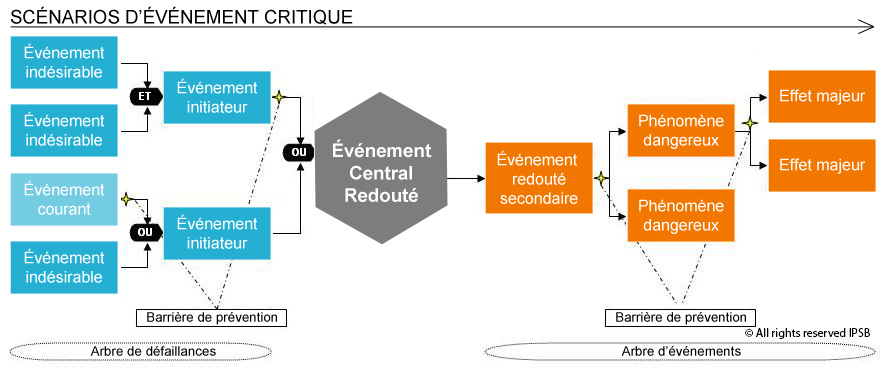
- Danger studies and Risk analysis (Bow Tie, FMECA, HAZOP)
- Activity Close-down Notification dossiers and Site Closure dossiers
- Re-examination and technico-economic studies on the basis of Best Available Techniques
- Internal Operations Plans
- Urbanism dossiers (construction and demolition permits)
 Reflecting our concern with the quality of our studies and the specificity of our advice, our administrative dossiers are based on the most recent regulations (ministerial decrees, European Directives, industry state-of-the-art guidelines, BREF, industrial accidentology, etc.), continually tracked by our engineers.
In addition, our departments are equipped with governmental agency accredited 2D and 3D modelling software to evaluate the consequences of accident scenarios (fires, explosions, etc.).
IPSB has the technical and regulatory expertise to assist you in controlling the industrial risks associated with your projects. We carry out risk analyses according to the most appropriate methods (FMECA, HAZOP, Bow-Tie, etc.) and model the consequences of accident scenario using recognized tools.
The purpose of risk analysis is to evaluate methodically and as exhaustively as possible the risks related to the operation of an industrial installation regarding the safety of people, the protection of the environment and the integrity of the production unit.
IPSB will accompany you in carrying out your risk analyses by:
- Taking inventory of industrial accidentology on similar processes and identifying the dangers related to the products implemented
- Selecting the method (or combination of methods) most appropriate to the issues you are facing
- Defining a reference framework in terms of frequency of occurrence, seriousness, criticality matrix and confidence level by safety barrier type
- Determining the functional organization of your units and the different phases of functioning
- Implementing the appropriate method by leading working group sessions
- Proposing complementary safety measures to reduce risk to an acceptable level
- Drafting the summary of the risk study and of the action plan by order of priority
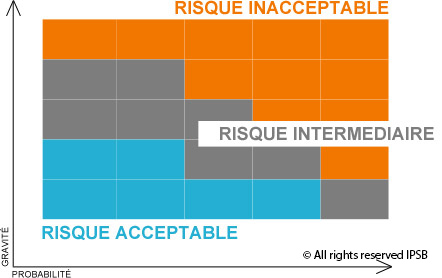
With their mastery of different analytical methods (FMECA, HAZOP, Bow-Tie, Failure Tree, etc.) and with knowledge of your industry and its processes and products, our engineers will assist you in identifying major accident scenarios and in choosing the appropriate safety measures.
Additionally, in order to evaluate the consequences of accident phenomena (fire, thermal explosion, torch fire, etc.), IPSB can model thermal and pressure effect areas using 2D and 3D software (based on the French petroleum industry danger study methodology guide recognized by the French authorities) and/or empirical formulations.
Our references
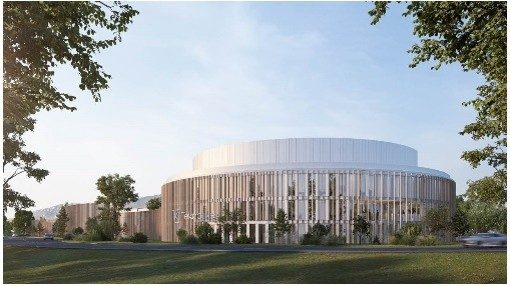
Application for environmental authorization
TEKNOLIKE SAS has entrusted IPSB with the preparation of the environmental authorization application for its production unit of an active ingredient for pharmaceutical use in Archamps (74). IPSB supported TEKNOLIKE SAS from the upstream phase with the DREAL until obtaining the prefectural authorization order.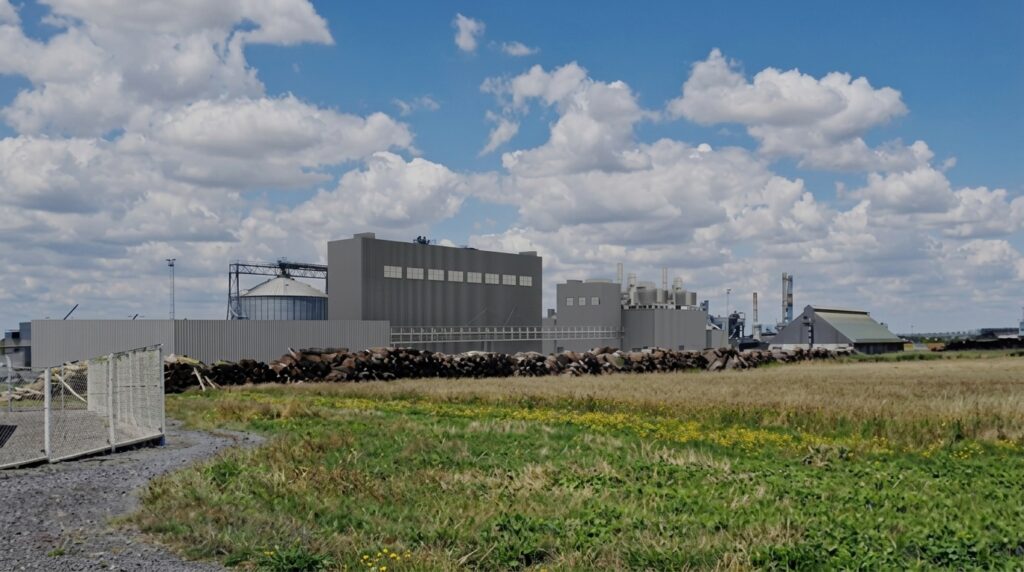
Application for environmental authorization
CRISTAL UNION, an establishment of CRISTANOL, has entrusted IPSB with the execution of the environmental authorization application for its project of bio-mineralization of wheat vinasses in Pomacle (51).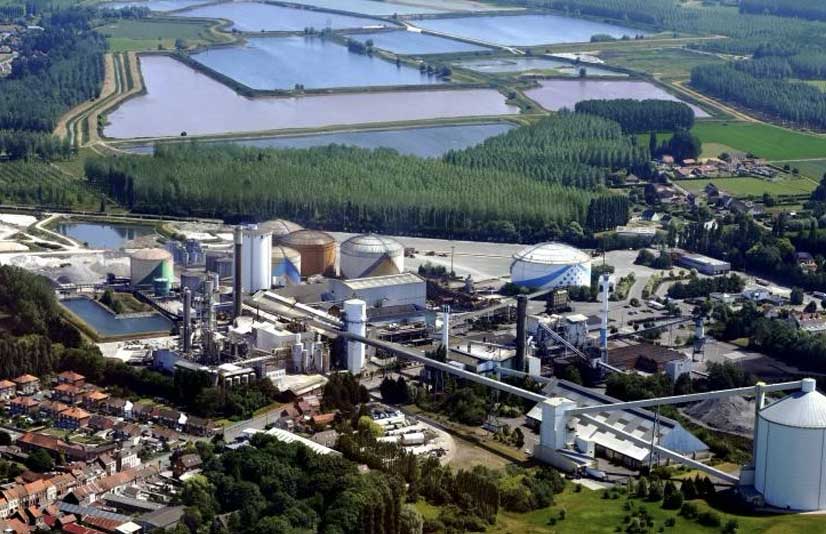
Updated site hazard study
The TEREOS plant in Lillers (62) has entrusted IPSB with updating the hazard study for its low-threshold SEVESO facility, which includes sugar manufacturing and alcohol production activities.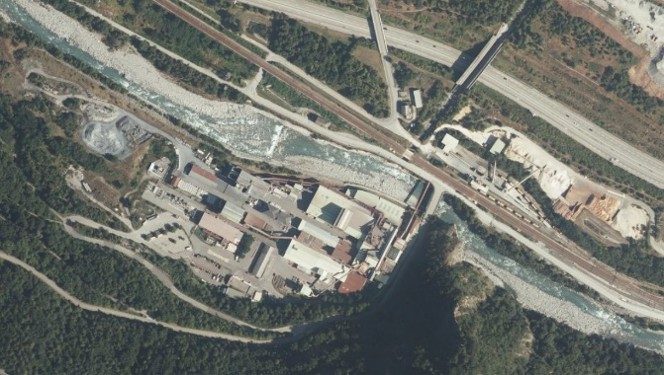
Site hazard study
The FERROGLOBE Establishment of Montricher (73) entrusted IPSB with updating the hazard study for its establishment. This site is active in the steel industry (production of high-purity silicon from quartz, as well as co-products (silica fume and slag)).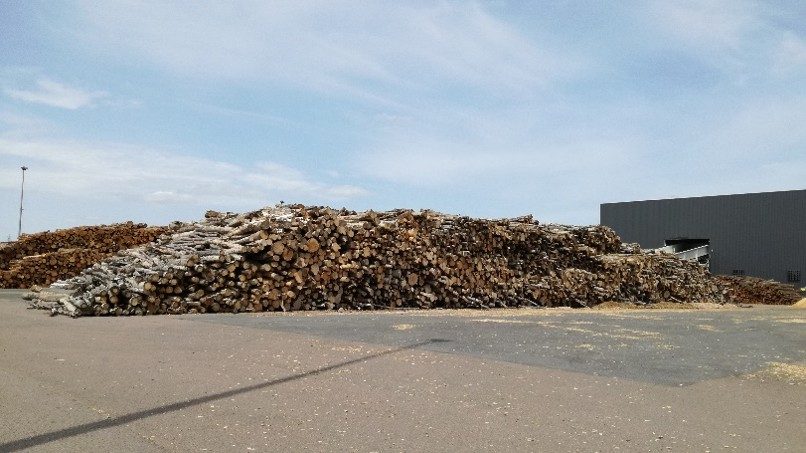
Site hazard study
FICAP has entrusted IPSB with updating the hazard study for its biofuel production site (White pellets and Black pellets obtained by steam cracking). This study notably integrated fire modeling using the FLUMilog model of different biomass storages.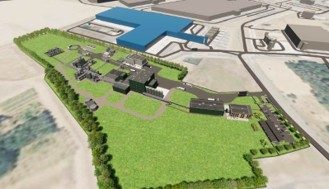
Request for reporting registration
INTACT has entrusted IPSB with the preparation of its registration application and declaration for its new protein and alcohol production site from legumes in Baule (45). This service was preceded by a regulatory analysis of his project.
Formal Notification
The client has entrusted IPSB with the implementation of its project to create a new production line and shipping area for frozen aromatic herbs.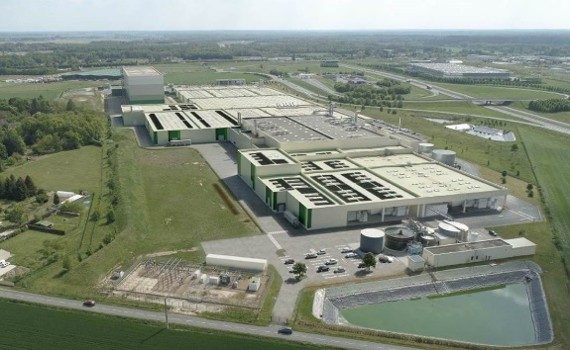
Formal Notification
The ICT site of Pannes (45) has entrusted the IPSB company with carrying out the notification regarding the extension of the site with the installation of a second paper machine. The objective was to present the deviations and their impacts in relation to the project planned when the site was created.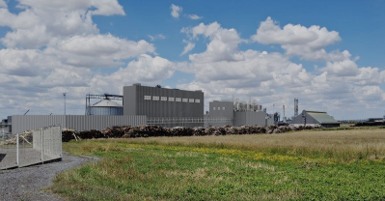
Formal Notification
CRISTAL UNION Etablissement de CRISTANOL has entrusted IPSB with carrying out the notification regarding its future gluten production unit from wheat.
ATEX zoning study
The client entrusted IPSB with defining the ATEX zoning for the new installations planned as part of its project to increase its perfume production activity.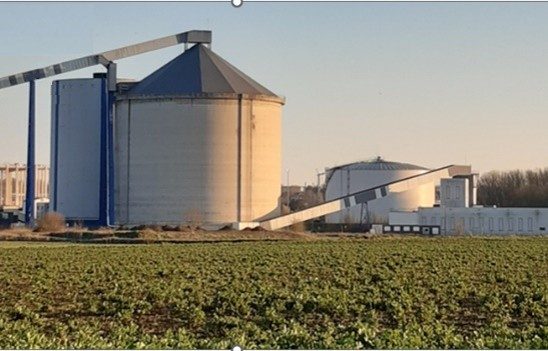
ATEX zoning study
The TEREOS site in Escaudoeuvres (59) entrusted IPSB with defining the ATEX zoning for its silo storage and sugar packaging facilities.
Regulatory positioning
The client entrusted IPSB with the regulatory positioning of its oil extraction unit from microalgae.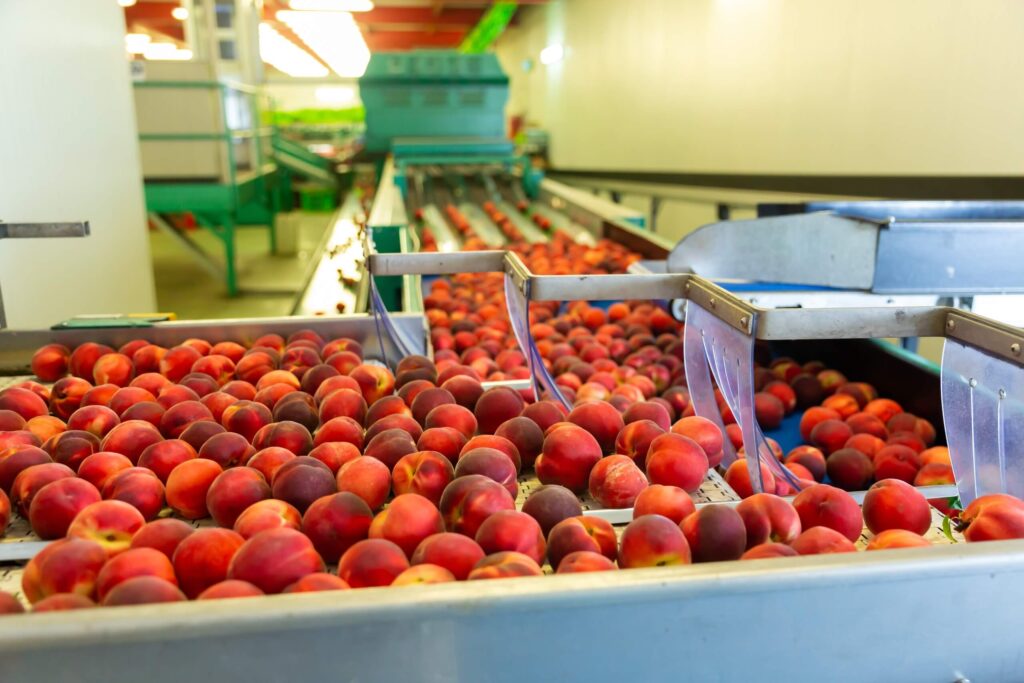
Regulatory positioning
The client entrusted IPSB with the regulatory positioning of its future fruit and vegetable packaging site.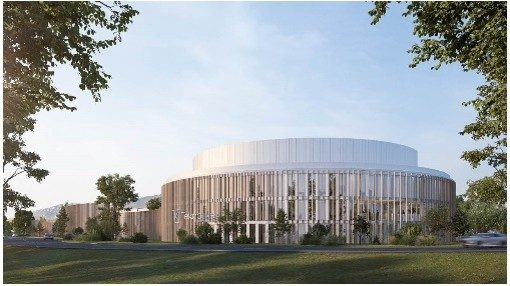
Process risk analyses
TEKNOLIKE has entrusted IPSB with the performance of process risk analyses for its production unit of an active ingredient for pharmaceutical use in the APS phase using the HAZID method and in the APD phase using the HAZOP method.
HAZOP risk analyses
The client entrusted IPSB with carrying out the HAZOP risk analyses of its pilot ore processing and purification unit.